High-stakes poker tournaments set the tone for the elite segment of the gaming market: massive buy-ins, tight fields, and a premium on operational reliability. This analysis compares the mechanics, trade-offs, and practical risks of the most expensive poker events and considers how a mid-market brand like Miki Casino might use tournament-style incentives and VIP servicing to boost retention — illustrated by a reported case study of a 300% retention increase. The goal is practical: help Canadian high rollers understand what to expect when chasing big buy-in events, how platform support and cashout mechanics matter, and where players commonly misread the incentives.
A vibrant gaming platform can keep players interested by mixing familiar favourites with fresh titles and practical reward features. A visit to arubabet casino gives players a chance to enjoy varied casino content with a modern feel and clear promotional appeal. Its blend of secure features, simple movement, and tempting bonuses makes it suitable for both curious newcomers and returning players.
Expensive tournaments (think C$25k buy-ins and up) share core structural elements that affect player experience and bankroll risk:

Below is a compact checklist-style comparison to evaluate a high buy-in event’s desirability and the platform delivering it:
| Factor | Why it matters to you | How to check |
|---|---|---|
| Buy-in transparency | Affects net EV and bankroll planning | Read tournament terms and the entry invoice |
| Prize pool vs rake | High rake can destroy expected returns | Compare advertised pool and payout structure |
| Support availability | Deposit/withdrawal issues can cost time and money | Check support hours, response times, and verification process |
| Withdrawal mechanics | Fast, predictable pay-outs are crucial for high rollers | Confirm payout rails (Interac, crypto, bank transfer) and typical processing times |
| Reputation & dispute resolution | Protects you if there’s a contested hand or payment error | Read independent reviews and sample complaint outcomes |
For high rollers the marginal cost of a support lapse is much larger: a delayed withdrawal can affect tax planning, a verification lag may force missed flights, and ambiguous dispute handling can lose you tens of thousands. The case study framework below highlights mechanisms brands use, and the weaknesses that commonly surface.
Observed pattern: a mid-market operator increased VIP retention substantially by combining targeted tournaments, enhanced payout terms, and staged service upgrades. Key tactics and caveats:
Players and platforms face different but overlapping risks when engaging in expensive tournament play.
The brand could increase retention among high-value Canadian players by combining exclusive tournament access with stronger, clearer support promises. Practical elements to watch:
One operational weakness reported in reviews is inconsistent customer support availability — some users claim 24/7 service, others report intermittent chat coverage. For Canadian players in different time zones this inconsistency can create real risk when large deposits or withdrawals are in play. That mismatch should be treated as an active limitation until independently confirmed otherwise.
If you’re evaluating a platform offering high buy-in events, watch for formal product launches of invite-only series, published VIP withdrawal policies, and independent user audits of support response times. Also monitor whether an operator publicly documents a consistent 24/7 support roster or replaces chat with a verified ticketed escalation path — the latter can be fine if SLA commitments are explicit.
A: For recreational players, gambling winnings are generally tax-free in Canada. Professional-status taxation is rare and fact-specific.
A: Expect KYC and AML checks to add time. If the platform offers VIP lanes, it may be faster — but always verify the promised timelines and test with smaller amounts first.
A: Satellites reduce immediate cash outlay and variance, but they introduce waiting-time risk and can dilute control over scheduling. Choose based on bankroll allocation and travel constraints.
Expensive poker tournaments offer the allure of big prize pools and elite competition, but they also magnify operational friction: support availability, verification, and withdrawal mechanics become material risks. For Canadian high rollers, payment rails (Interac, bank transfers, crypto), KYC expectations, and explicit SLA commitments from the operator are decision-critical. The reported 300% retention improvement in targeted VIP programs highlights the power of tailored service and preferential cashout lanes — but these gains depend on disciplined liquidity management and compliance controls. If you play at scale, plan for verification delays, insist on written payout timelines, and test support responsiveness before committing major funds.
Nathan Hall — Senior analytical gambling writer focused on product mechanics and risk trade-offs for Canadian players. I analyze operational details so high-stakes players can make informed choices.
Sources: industry comparisons, operator review patterns, and public player complaint summaries. Specific operational claims about individual platforms were treated cautiously where independent verification was not available; readers should confirm live support and payout terms directly with the operator before committing significant funds. For the operator site reference used in examples, see miki-casino.
 Máy Nova S ProMáy chất lượng tốt
 Máy Pong Bot Halo ProQuá đỉnh
 Bàn bóng bàn Gofes Aladin T28sBàn đẹp giá tốt
 Máy PongBot Omni S Pro0869319517

 Máy Y&T A9 Pro
 Bàn bóng bàn Song Ngư 203M
 Máy Oukei Q7S
 Giày Asic Attack Bladelyte 4 M4
 Bàn bóng bàn DHS Gold Rainbow
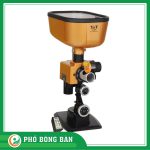 Máy Y&T V-981
 Dụng cụ nhặt bóng
 Giày Butterfly Lezoline 13 M2












Leave a Reply