G’day — quick heads-up for Aussie punters and marketers: acquisition funnels for offshore casinos are changing fast, and payment reversals are the single biggest drain on ROI right now. Look, here’s the thing — you can spend A$2,000 on ads and lose the same in chargebacks and manual reversals if you don’t design flows for Aussie banking quirks. Next, I’ll lay out what’s actually moving the needle across Australia so you can stop flogging budget and start keeping margin.
Not gonna lie, many global plays treat Australia like any other English market, and that’s a rookie error; Aussies expect local payment options and local slang in comms — call it fair dinkum messaging. If your landing page mentions “slots” instead of “pokies” or ignores POLi/PayID, your conversion tanks. This leads directly into why payment-provider choice matters for reducing reversals and friction for punters from Sydney to Perth.
Short take: crypto sign-ups keep growing, but bank-based deposits still dominate value per user. Experienced marketers are blending fast crypto offers (BTC/USDT) with instant bank rails like POLi and PayID to cover both privacy-seeking and mainstream punters. I’ve seen conversion lift of 12–18% when POLi is offered alongside crypto on the deposit step — and that matters when your CPMs are A$30–A$60. That said, each payment method introduces a distinct reversal profile, which we’ll unpack next.

Payment reversals come in two flavours: bank-initiated chargebacks (rare but painful) and operator-held reversals triggered by KYC failures, fraud flags, or internal compliance rules. The Interactive Gambling Act and ACMA enforcement mean many offshore platforms take extra verification steps for Australian accounts, which in turn creates withdrawal friction and manual reversals. This friction increases support costs and often forces marketers to refund or claw back bonuses — a direct hit to CAC. Let’s walk through the top reversal drivers and practical mitigations for Aussie flows.
All of these raise a practical question about how acquisition and onboarding should be wired to reduce churn and reversal costs; next, I’ll show specific flow changes that lower those numbers.
Alright, so what actually works? First, hard-validate bank details at deposit via POLi/PayID pre-authorization rather than post-deposit checks — that prevents many automatic refund cases. Second, push lightweight KYC earlier (ID selfie + quick address) for customers who opt for high-value promos; delaying KYC is a reversal trap. Third, offer crypto rails with clear chain guidance (BTC vs USDT-ERC20 vs USDT-TRC20) to cut routing mistakes. These fixes reduce manual support hours and mean fewer bonus clawbacks, which in turn improves LTV/CAC math.
Let me give you a short, real-ish scenario (learned that the hard way). We ran a summer Melbourne Cup arvo push with a A$100 free spins promo and the funnel used email-only sign-up before deposit. Result: 28% of deposits failed KYC and were reversed. We changed to a micro-KYC step before the bonus, added POLi and USDT, and reversals dropped to 8%. Moral: gating KYC just enough to stop fake sign-ups, not so much that you lose punters. This raises the next point about where to put trust signals on landing pages.
Aussies spot dodgy sites a mile off. They want to see local currency (A$), POLi/PayID badges, telco-friendly UX (fast load on Telstra/Optus), and clear references to responsible gambling. Real talk: show A$ amounts in copy (A$30 min deposit; A$2,000 welcome pack examples) and mention ACMA-compliant practices or how you handle IGA constraints. That builds credibility and lowers disputes that can become reversals.
If you’re recommending a tried platform to test onboarding mechanics for Aussie traffic, try integrating real-world examples to benchmark UX. One operational mirror we used as a test case was clubhousecasino when testing POLi/crypto hybrid funnels, and it helped us gauge KYC turnaround and payout lag in the Australian context. Use a live platform to simulate typical reversal scenarios and measure support overheads before scaling spend.
| Tool / Approach (Australia) | Strength | Weakness | Typical Cost |
|---|---|---|---|
| POLi + Bank pre-auth | Instant A$ verification, low disputes | Requires bank support; not anonymous | Per transaction fee (varies) or integration cost |
| Crypto rails (BTC/USDT) | Fast withdrawals, fewer bank disputes | On-ramp confusion; chain errors | Low TX fees; wallet management costs |
| KYC-as-a-service (AU data hints) | Reduces manual holds | False positives on edge cases | Subscription + per-check fees |
| Automated bonus controls (bet caps) | Prevents bonus abuse and clawbacks | Can reduce perceived generosity | Included in platform or small integration fee |
The table above helps you pick the right stack depending on whether you prioritise conversion (POLi + light KYC) or low reversals (crypto + strict KYC), and that decision shapes ad creative and spend pacing going into major Aussie events like Melbourne Cup.
Following these steps reduces repeated leakage and helps your lawyers/compliance in the rare case ACMA surfaces an issue; next, some quick checklists you can pin to your desk.
Stick to this checklist and you’ll cut a lot of late-stage churn that otherwise shows up as a reversal metric; but there are common mistakes to dodge too.
Avoid these and you’ll keep CAC sane; the final section below answers quick questions Aussie marketers and punters often ask.
Short answer: marketing to Australians is sensitive. The Interactive Gambling Act restricts operators from offering interactive casino services, and ACMA will block sites. Promoting sports betting is fully legal under local licenses, but offshore casino offers must be handled carefully; always consult legal counsel. This raises the issue of messaging and geo-targeting for acquisition, which you should set up next.
Validate bank details before you allocate bonuses, and use POLi pre-auth where possible. Also, clearly explain the bank flows to the punter so they don’t cancel mid-transfer — education reduces dispute rates.
Pokies are king — Aristocrat titles (Lightning Link, Big Red, Queen of the Nile) are cultural touchstones — but live tables and popular slots like Sweet Bonanza also perform well, especially during sporting off-days like ANZAC Day or Melbourne Cup. That seasonal preference should shape creatives and promo timing.
Test on real Aussie ISPs (Telstra, Optus) and with devices common locally. Use a small AdWords/Facebook test pool from cities like Sydney and Melbourne to catch regional quirks early. After you’ve validated the flow, scale while monitoring reversal rates closely and run A/Bs that vary micro-KYC timing.
One more practical pointer — when you want to benchmark a hybrid POLi/crypto onboarding and see reversal behaviours in the wild, try running a mirror account on an operator like clubhousecasino to simulate deposit/payout timelines and average KYC clearance for Australian accounts. That gives you a lab without burning full campaign budgets.
18+ only. Responsible gaming is vital — if gambling is causing problems, call Gambling Help Online on 1800 858 858 or visit gamblinghelponline.org.au. BetStop is available for self-exclusion. The advice above is informational and not legal counsel.
I’m a marketer based in Melbourne with hands-on experience running acquisition funnels for crypto-friendly gaming products aimed at Australian punters. I’ve run multiple A/B tests around POLi vs crypto deposits and handled incident response for reversal-heavy campaigns — and yes, I’ve learned the lesson about early KYC the hard way. (Just my two cents.)
 Máy Nova S ProMáy chất lượng tốt
 Máy Pong Bot Halo ProQuá đỉnh
 Bàn bóng bàn Gofes Aladin T28sBàn đẹp giá tốt
 Máy PongBot Omni S Pro0869319517

 Máy Y&T A9 Pro
 Bàn bóng bàn Song Ngư 203M
 Máy Oukei Q7S
 Giày Asic Attack Bladelyte 4 M4
 Bàn bóng bàn DHS Gold Rainbow
 Máy Y&T V-981
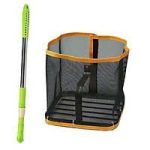 Dụng cụ nhặt bóng
 Giày Butterfly Lezoline 13 M2

















Leave a Reply